Natal & Pipa, Brazil
Natal and Pipa are both in the northeast of Brazil, and they’re very different from each other. Natal is a city where you need to be careful with safety, but it’s a good base for doing a lot of excursions. Pipa is a small beach town with a quiet kind of magic to it — when I was there, it felt genuinely relaxing.
Time of Year I Visited
I went for New Year’s. I was on my own — no family with me, nothing planned. And that’s okay. Sometimes you don’t have people around, or you just feel like being alone, and there’s no reason that has to be a sad thing. Travelling solo doesn’t mean you’re stuck being alone the whole time, either — I ended up meeting a pair of siblings while I was there, and we spent the holiday together.
Did I Feel Safe?
You have to be careful with safety in Natal — it’s one of the cities in Brazil with higher crime rates, so it’s not something to ignore. I stayed in Ponta Negra, which is the tourist area, and stuck to it — that’s the move. With that bit of common sense, it’s completely manageable.
Pipa is a completely different story — a much more relaxed beach town, where I felt far safer.
Where I Stayed
In Natal, I stayed at an Airbnb in Ponta Negra.
In Pipa, I stayed at Pousada Praia do Amor.
Getting from Natal to Pipa
I took the Expresso Oceano bus (expresso-oceano.com.br) — about 2 hours, and currently runs around R$20-30 depending on the time of day.
What’s Worth Doing
Dancing Forró: In Natal, I went to dance forró as a tourist. Forró is the traditional dance of the northeast, a fast, close two-step, and locals there hold a regular “Forró com Turista” night specifically to bring visitors in. I went on my own, met a girl there, and we got to talking and had a drink together. Then the guys pulled us up to dance — it was a lot of fun.
Excursions from Natal: I used the city as my base to do a number of organised tours — I went with Luck Receptivo and everything was excellent. From there I visited Laguna de Pitangui, a freshwater lagoon surrounded by dunes; the Dunas de Genipabu, the famous dunes north of Natal; Playa de Maracajaú, for coral reef snorkelling, where the water genuinely looked Caribbean — I didn’t expect that level of beauty in Brazil; and Baía Formosa, a bay further south.
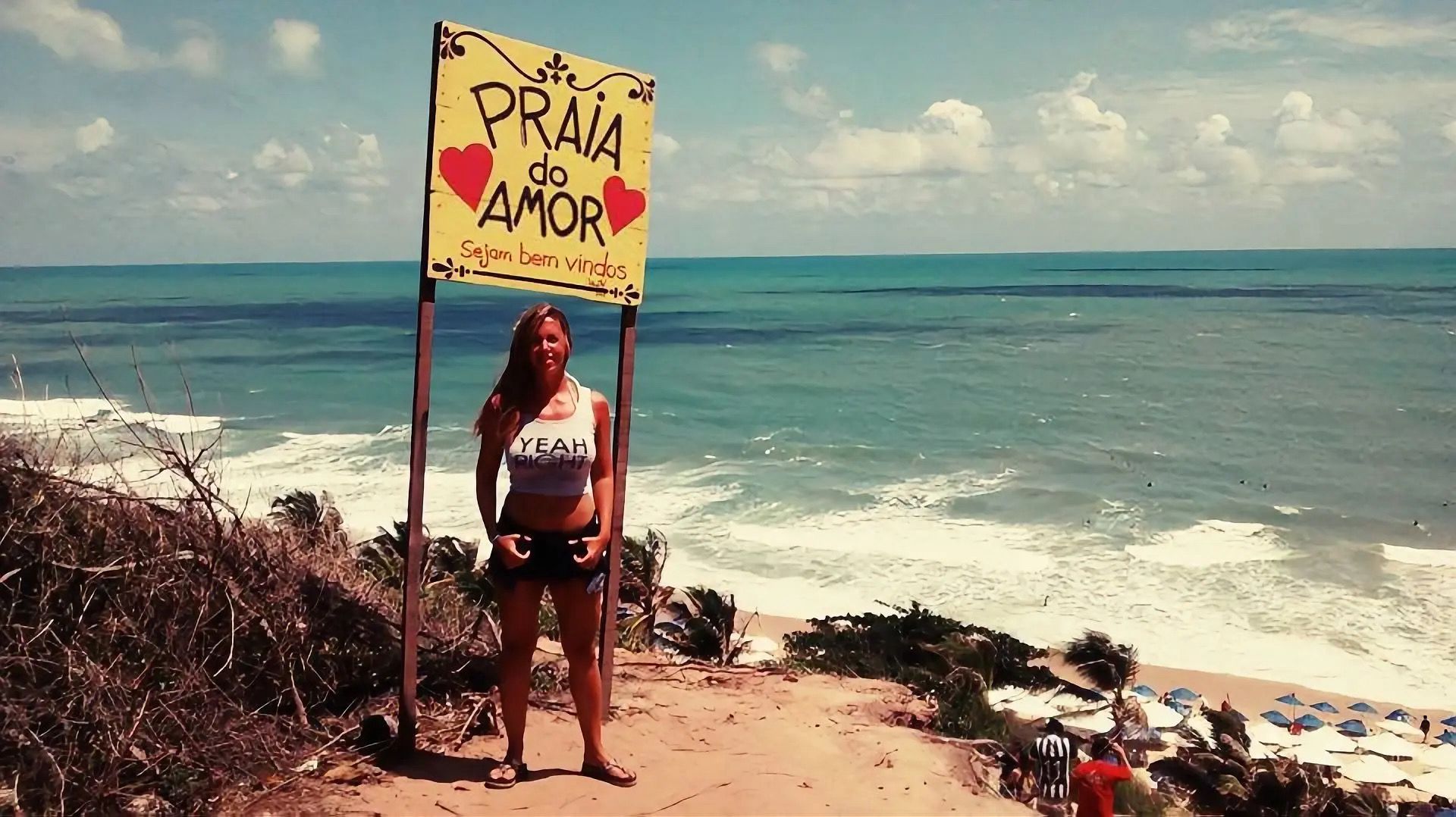
In Pipa: Praia do Amor was the beach I liked most. Baía dos Golfinhos, Dolphin Bay, is a beach where you can spot dolphins — there’s a lot you can do there, like renting a kayak, but if you’re lucky, you’ll see dolphins right from the beach (to get there, I had to walk across a section of rocks, which was adventurous, but I’m that kind of traveller). Mirante Sunset Bar was a beautiful spot for a drink while watching the sunset. And Tibau do Sul was unmissable — I went with an organised tour that takes you out on a boat through the Lagoa de Guaraíras, watching the sunset from the water. I thought it was beautiful.
Things to Know
English isn’t widely spoken in the northeast of Brazil, in either city. Learn a few basic tourism words in Portuguese before you go — it makes things a lot easier if you don’t speak the language.
How Long Did I Stay?
4 days in Natal, 3 days in Pipa. I would have stayed longer in Pipa.
Been to Natal or Pipa solo? Share your experience using the review form below.